TURBT
Home >TURBT
Expert TURBT Procedure for Accurate Bladder Tumor Management
TURBT (Transurethral Resection of Bladder Tumor) is an advanced endoscopic procedure used for the evaluation and treatment of bladder tumors without external surgical cuts. A thin surgical instrument is inserted through the urethra to identify and remove abnormal growths from the bladder lining. This procedure helps confirm diagnosis, assess tumor depth, and guide further treatment if required. Performed by a skilled urologist and andrologist, TURBT focuses on precise tumor removal while maintaining bladder health and function. Patients benefit from minimal pain, quicker recovery, reduced hospital stay, and effective management of early-stage bladder tumors through timely intervention.
When is TURBT needed?
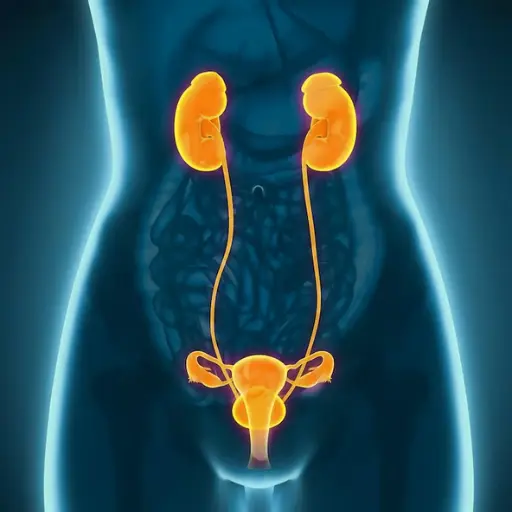
TURBT (transurethral resection of bladder tumour) is the first step in diagnosing and treating a growth inside the bladder. The most common warning sign is painless blood in the urine, even if it happens only once. Smokers, people over 50 and those exposed to industrial chemicals or dyes have a higher risk of bladder cancer. Any visible blood in the urine should be checked by a urologist.
How a bladder tumour is found
- Urine tests, including urine cytology
- Ultrasound or CT urography to look at the kidneys, ureters and bladder
- Cystoscopy: a thin telescope passed into the bladder to see the growth directly
What happens during TURBT
Under spinal or general anaesthesia, a resectoscope is passed through the urethra. There is no cut on the skin. The tumour is shaved away layer by layer, including a sample of the bladder muscle, and the base is sealed to control bleeding. The tissue is sent for biopsy, which tells us the grade of the tumour and whether it has entered the muscle wall. A catheter is placed for 1–3 days.
After TURBT
- A single dose of chemotherapy into the bladder is often given within 24 hours to lower the chance of recurrence
- Some patients need a second-look TURBT in 2–6 weeks for complete staging
- Higher-risk non-muscle-invasive tumours are treated with a course of BCG or chemotherapy instilled into the bladder
- Regular check cystoscopies are essential, because bladder tumours can come back
- Muscle-invasive cancer may need radical cystectomy or combined chemo-radiation, planned with the oncology team
Most people return to light activity within a week. Some blood in the urine for a few days is expected. Drink plenty of water and avoid straining or heavy lifting for 2–3 weeks.
See also: uro-oncology care for kidney, bladder and prostate cancer.
TURBT and bladder tumour care in Koramangala and Bellandur
Dr. Bivek Kumar (MCh Urology, FRSM) has more than 18 years of experience and over 11,000 urological surgeries. He consults at Superhealth Hospital, Koramangala (Mon–Sat, 9 am–6 pm) and Nelivigi Multispeciality Hospital, Bellandur (Tue, Thu & Sat 7–8 pm; Sunday by appointment only), in English, Hindi, Kannada and Bengali. Book an appointment or call to discuss your reports.
Frequently Asked Questions
Patients may be advised to fast for a few hours before surgery and temporarily stop certain medications as guided by the doctor.
Yes, TURBT is generally safe and commonly performed in elderly patients due to its minimally invasive nature.
Small and early-stage tumors can often be completely removed during the procedure.
No external stitches are required since the procedure is performed internally through the urethra.
The catheter is usually removed within 24–72 hours depending on healing and urine clarity.
Related treatments & reading
Book a consultation with Dr Bivek Kumar: Superhealth Hospital, Koramangala (Mon–Sat, 9 am–6 pm) or Nelivigi Hospital, Bellandur (Tue, Thu & Sat 7–8 pm; Sunday by appointment only). See all clinic locations, OPD timings & directions →